Beyond isolated landmark buildings, structural mass timber construction scales commercially thanks to the emergence of neoconstructors: high-tech companies that vertically integrate design, catalog products, digital workshop fabrication, physical site assembly, and continuous data analytics. They are not merely timber panel manufacturers or traditional contractors; these firms offer a repeatable and industrialized model that brings predictability to schedules, construction costs, and carbon footprint traceabi
What neoconstructors offer
The common pattern of these companies combines five strategic pillars:
- Standardized product and catalog: development of building systems, three-dimensional modules, or high-precision prefabricated components (load-bearing panels, primary beams, and service cores).
- Early conceptual and technical design: complete geometric modeling, coordination of mechanical, electrical, and plumbing installations, and workshop engineering resolved before fabrication starts (as detailed in our guide on BIM in industrialized construction).
- Digital workshop and fabrication network: automated machining through computer numerical control (CNC) centers, rigorous moisture monitoring, smart component labeling, and just-in-time logistics delivery.
- Dry industrialized assembly: on-site installation with reduced crews of operators, planned crane sequence, and minimal waste generation or on-site rework.
- Data platform and warranties: physical forestry material traceability from end to end, after-sales monitoring, and, in the most mature cases, a digital configuration platform for developers.
In the Latin American and Iberian context, the ecosystem combines consolidated Brazilian structural timber engineering, social and industrialized housing in Chile, European digital platforms for commercial repeatability, and high-tech startups focused on high-performance structural materials.
ITA Engenharia · Brazil
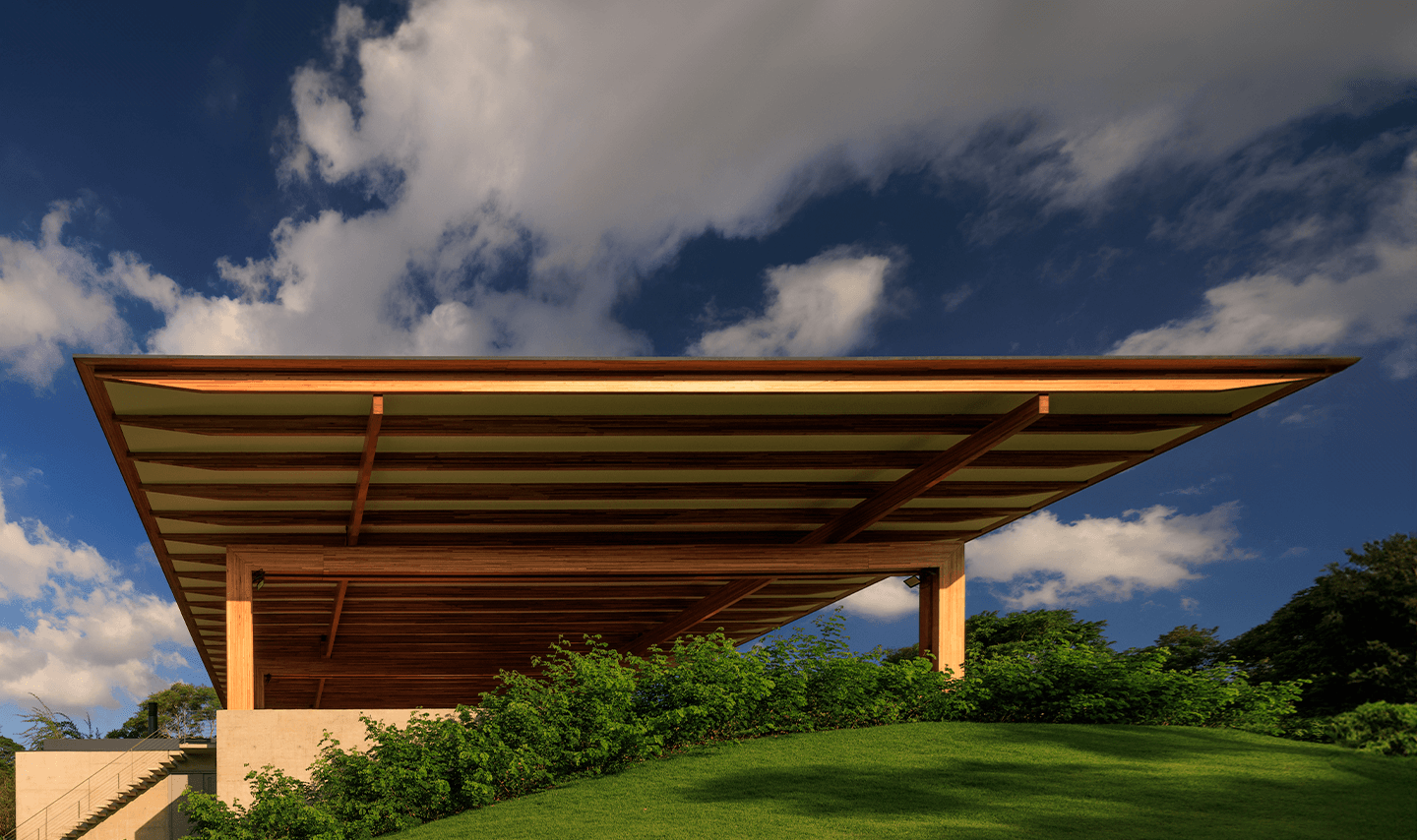
With more than forty-five years of experience and over two thousand completed projects, ITA is the leading reference in the Brazilian structural timber engineering market. Its value proposition spans from parametric structural design to automated Glued Laminated Timber fabrication, digital machining, and physical assembly with long-term warranties. Among its most outstanding works, the roof of the Quadra de Tênis RDJ (Jacobsen Arquitetura, 2022) stands out: a structure with monumental spans and exposed organic geometry that demonstrates the capacity of engineered timber to integrate into high-end architectural programs, alongside its participation in the school boarding complex Moradias Infantis.
Niuform · Chile
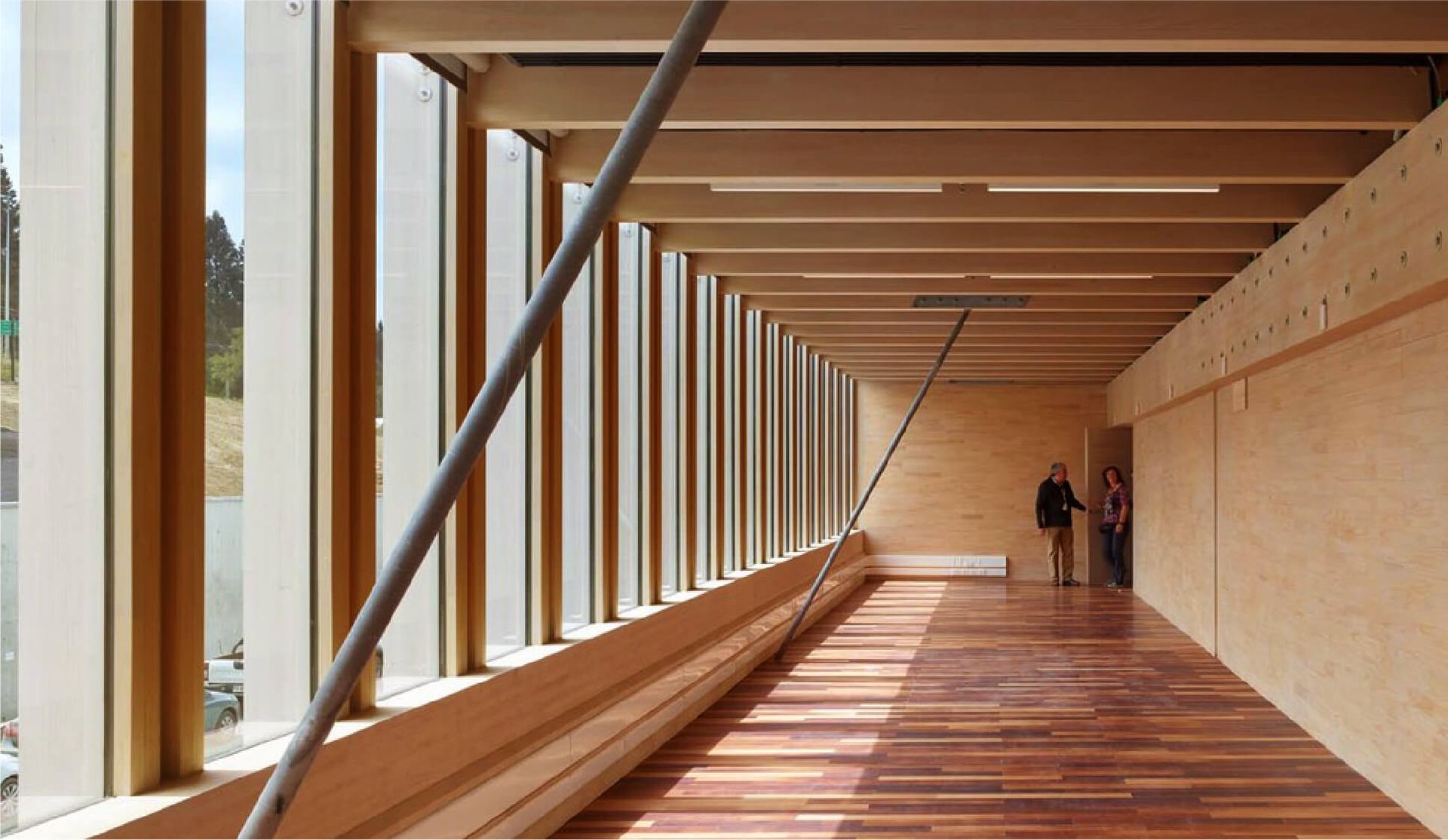
This Chilean neoconstructor is focused on developing industrialized housing and institutional building solutions. Its greatest milestone is the CMPC Los Ángeles Building (~6,000 sq m, 2018), designed by Izquierdo Lehmann and structured in a hybrid system of Glued Laminated Timber columns and beams with Cross-Laminated Timber slabs from local certified plantations. The project obtained the prestigious international LEED sustainability certifications and the local Certificación Edificio Sustentable (CES) rating, constituting a regional benchmark of commercial scale for mass timber.
011h · Spain
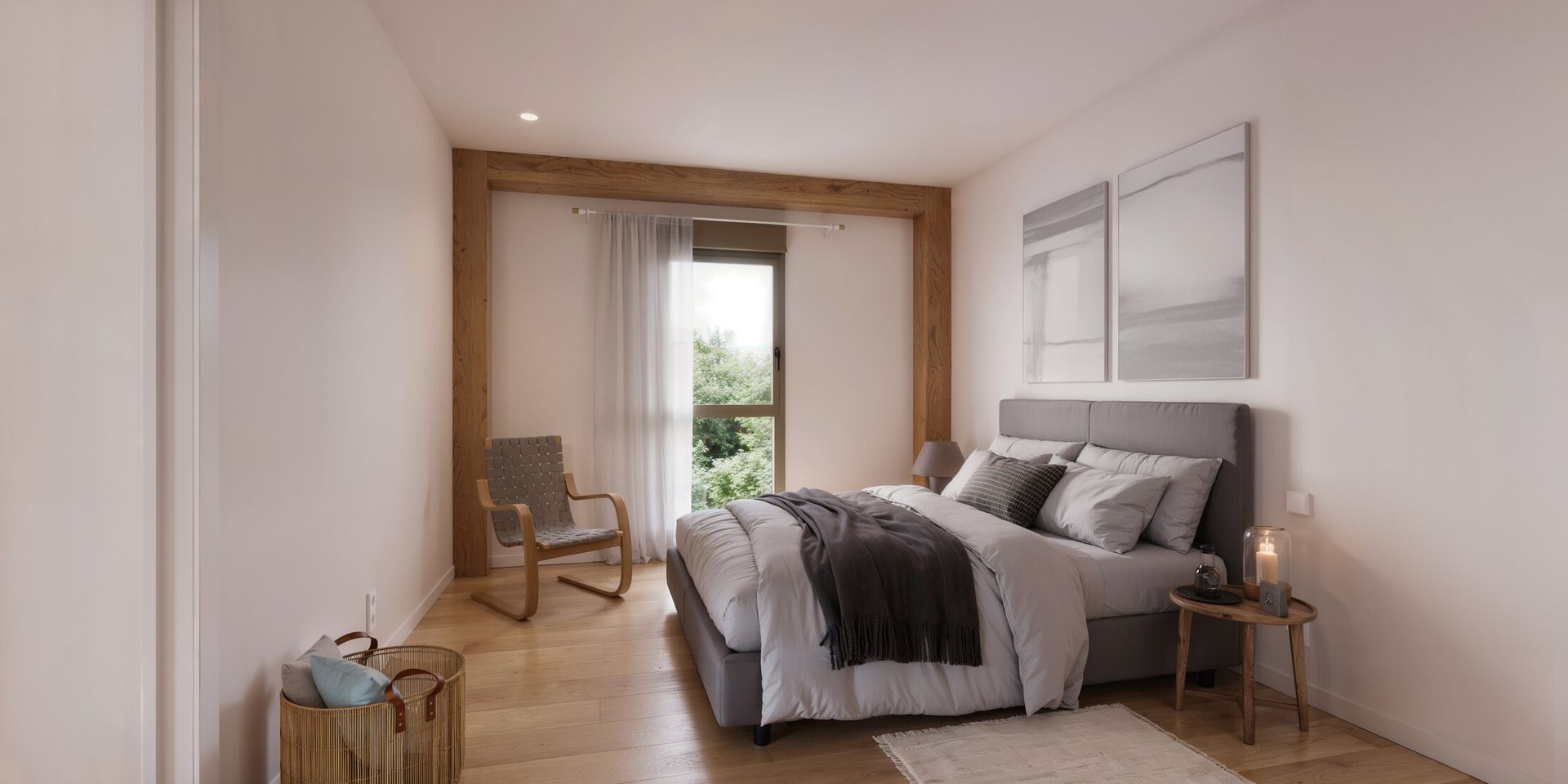
Established in Spain, 011h is a digital platform for industrialized construction that acts as a smart integrator. The company designs modular timber components, coordinates an external network of digital fabrication workshops, and assembles buildings dry. Its model stands out for a 35% reduction in delivery schedules and the drastic optimization of embodied carbon through precise environmental accounting and traceability software, representing the digital vision of Madebloque applied at a European scale.
Gropyus · Austria / Europe
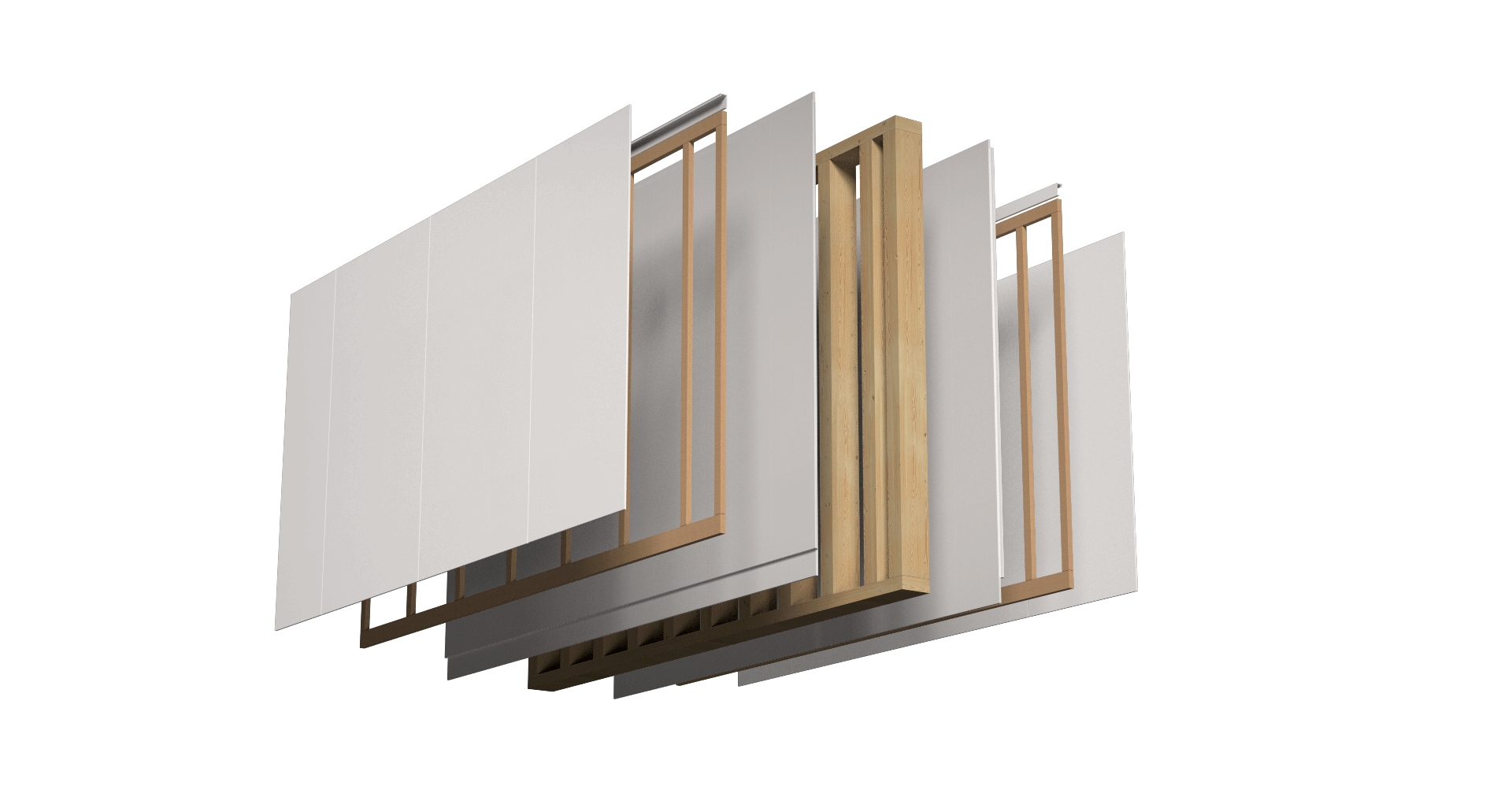
Headquartered in Austria and Germany, this firm redefines multi-family residential building by treating it as a high-tech consumer product. Its approach combines a proprietary automated factory and a building system of high-precision hybrid wood-concrete panels. Gropyus integrates everything from parametric architectural configuration software to the operational energy management of buildings, proving that structural timber is the ideal foundation for a scalable and circular real estate business model.
Strong by Form · Chile / Global
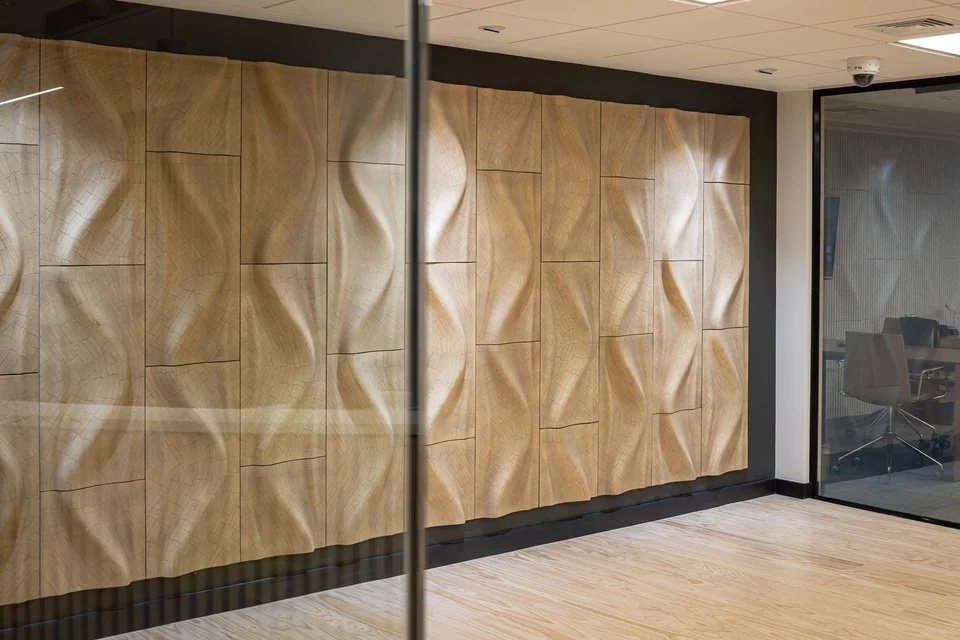
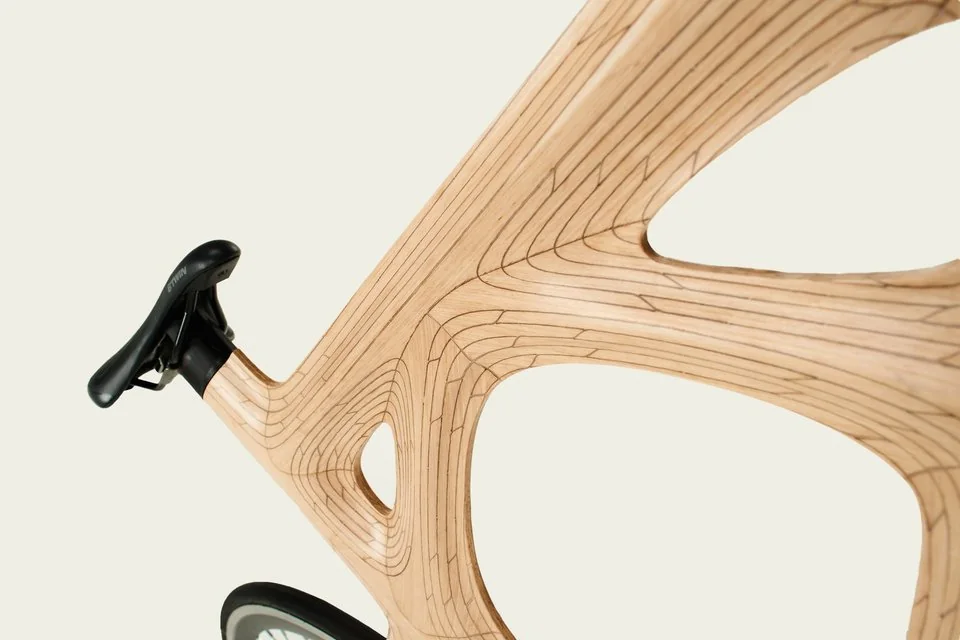
This prominent tech-based startup does not execute direct physical construction works on site, but operates as a **high-performance materials and advanced manufacturing company** that radically expands the boundaries of structural timber. Its proprietary Woodflow technology combines advanced computational design, biophysical principles, and industrial additive manufacturing to produce high-performance structural components using a fraction of conventional biological mater
Its Woodflow-core solution is targeted at the structural sector: producing carbon-negative, ultra-lightweight slabs that are up to 90% lighter than conventional concrete equivalents, offering an exceptional strength-to-weight ratio. On the other hand, Woodflow-skin is oriented toward high-end 3D interior design and acoustic cladding with exposed double-curvature geometries, already present in hospitality and luxury brand projects. Its business model is based on technology licensing and the supply of value-added components for neoconstructors and original equipment manufacturers (OEMs, *Original Equipment Manufacturers*), having been finalists in TechCrunch's Startup Battlefield in San Francisco and awarded at the JEC World global fair in Paris.
Go Deeper
- Grandes hitos de la construcción en madera — structural timber milestones
- Proyectos en madera latinos — cases in Latin America and Iberi
- Generalidades de mass timber — mass timber basics
- Rol del BIM en construcción industrializada — digital integration
Madebloque informational edition — May 2026. All rights and images belong to the respective brands and consortia cited.